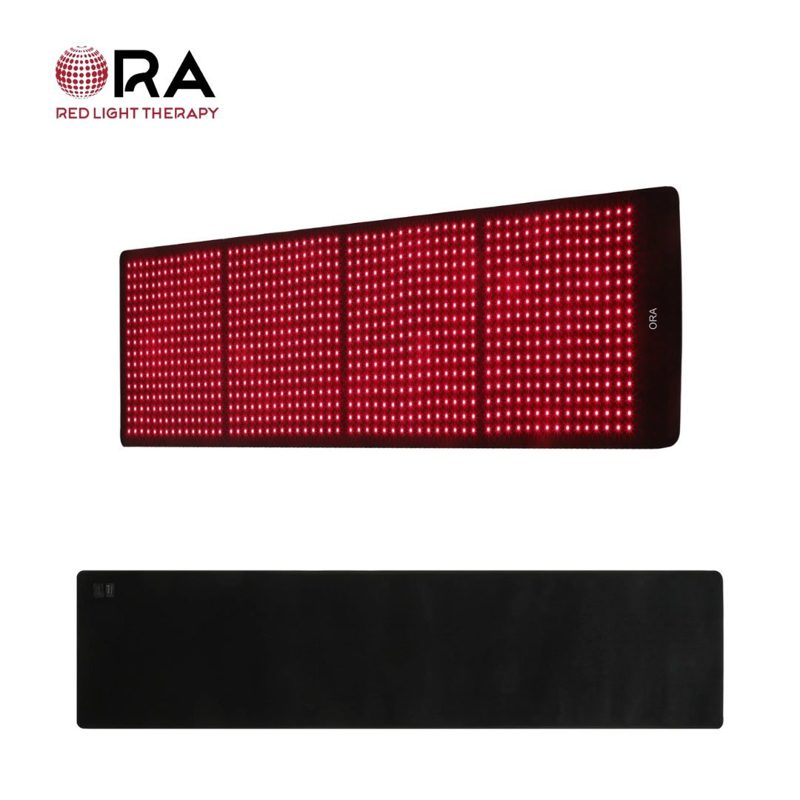
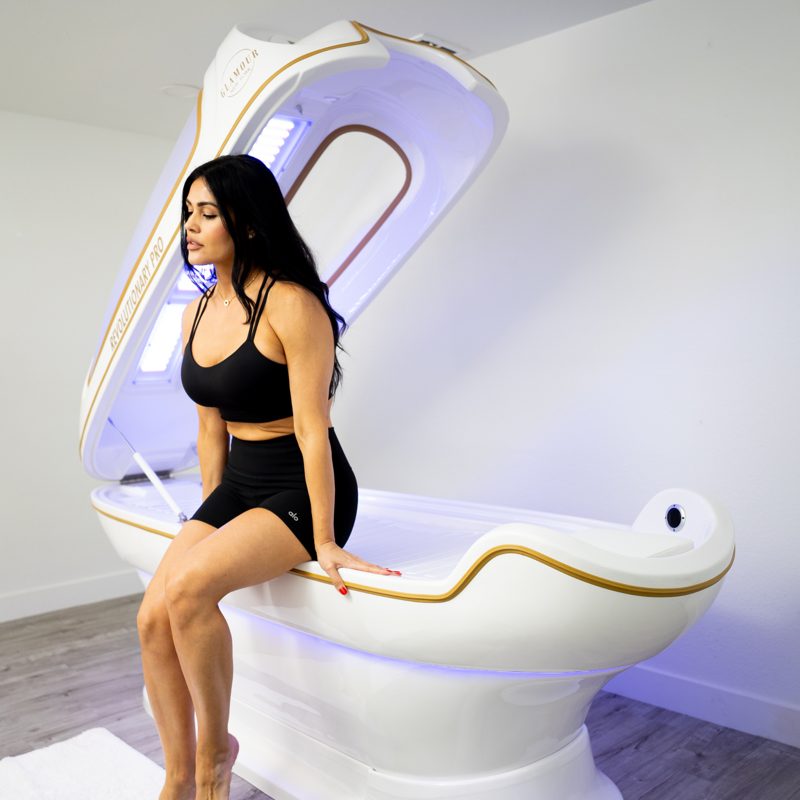
Better sleep is one of the most common claims made for red light therapy online. The research, however, is limited.
The key study
In a study of 20 elite female basketball players, 10 received 30 minutes of whole-body red light every night for 14 days while 10 received no light. The red light group improved their Pittsburgh Sleep Quality Index scores, serum melatonin levels and 12-minute run performance, and changes in sleep quality correlated with changes in melatonin.[1]
Why caution is warranted
This was a small cohort study, the comparison group received no light at all (so there was no true placebo), and participants were young elite athletes — not people with insomnia. The findings are interesting but need replication in larger, placebo-controlled trials.
Bottom line
If you enjoy a relaxing evening red light session, there is little reason for concern, but it shouldn't replace proven sleep strategies. Persistent sleep problems deserve a conversation with your doctor.
References
- Zhao J, Tian Y, Nie J et al. (2012). Red light and the sleep quality and endurance performance of Chinese female basketball players. J Athl Train. PubMed 23182016 · Free full text