Athletes and sports scientists have tested photobiomodulation as a way to delay fatigue and speed up recovery, with light applied either before exercise ("preconditioning") or after it.[1]
Performance
A meta-analysis of randomized controlled trials identified 13 trials of acceptable quality. Compared with placebo, phototherapy increased time to exhaustion and the number of repetitions performed. The most consistent results came from red or infrared light applied before exercise, at doses of about 5-6 J per point.[2]
Recovery and adaptation
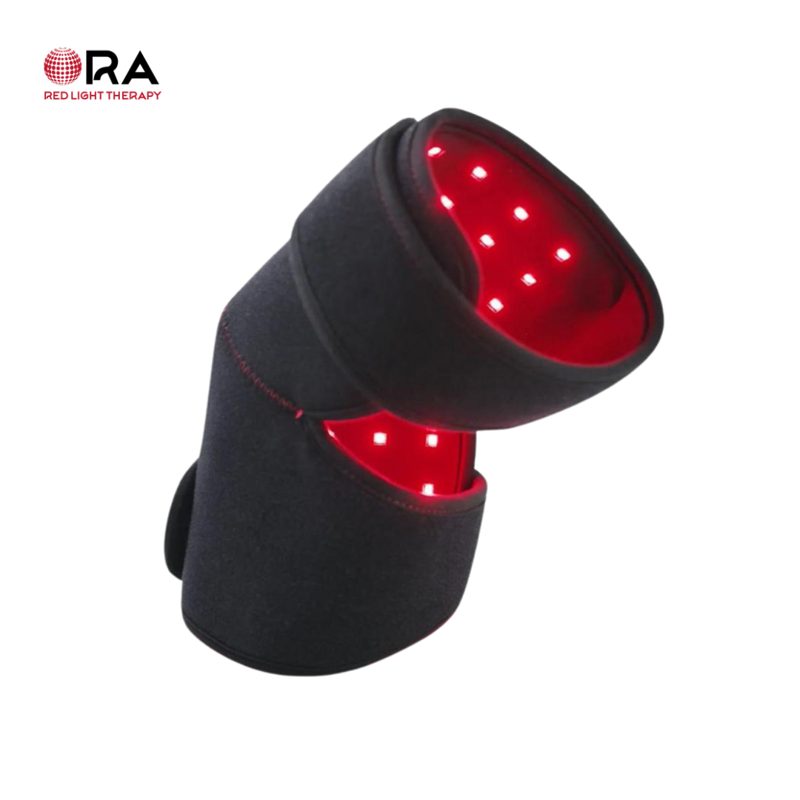
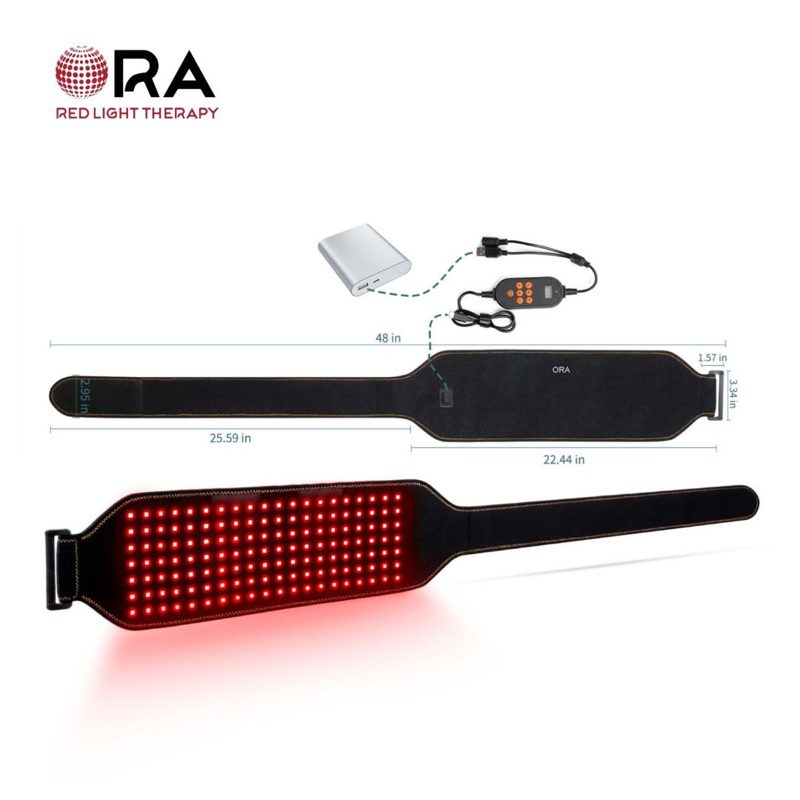
A broader review of 46 studies (1,045 participants), using everything from single laser probes to flexible LED arrays, concluded that PBM can increase muscle mass gained after training and decrease inflammation and oxidative stress in muscle biopsies. The authors even raised the question of whether PBM should be permitted in athletic competition.[1]
Takeaway
The effects reported are modest but consistent. Red light is best seen as a potential add-on to the fundamentals of recovery — sleep, nutrition, hydration and smart training load.
References
- Ferraresi C, Huang YY, Hamblin MR (2016). Photobiomodulation in human muscle tissue: an advantage in sports performance? J Biophotonics. PubMed 27874264 · Free full text
- Leal-Junior EC, Vanin AA, Miranda EF et al. (2015). Effect of phototherapy (low-level laser therapy and light-emitting diode therapy) on exercise performance and markers of exercise recovery: a systematic review with meta-analysis. Lasers Med Sci. PubMed 24249354